IRS Tax Refund Schedule Explained: Exact Dates to Expect Your Refund Payment in 2026
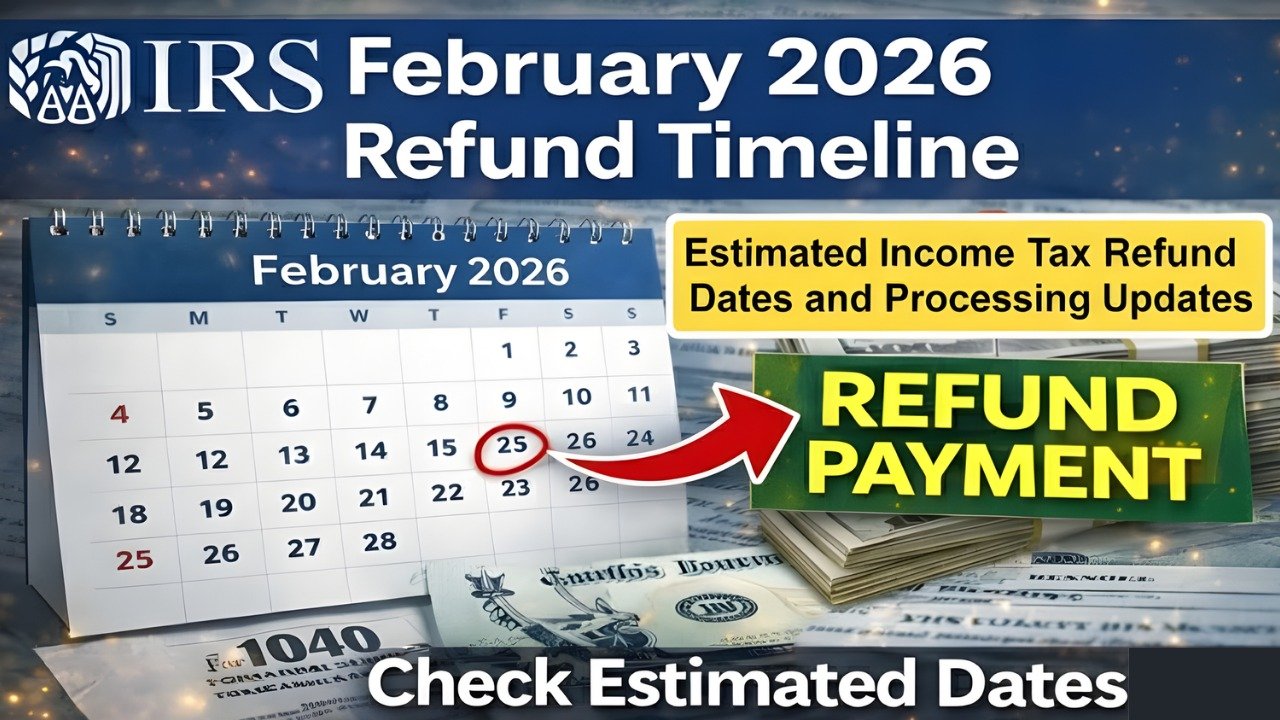
The 2026 tax season is officially open, and millions of Americans are asking one important question: When will my refund arrive? For many families, refunds help pay bills, reduce debt, or build savings. Understanding the IRS Tax Refund Schedule lets you plan better and avoid stress. While the IRS aims to send most refunds within 21 days, your timing depends on how and when you file. Here’s a simple, clear guide to refund payments in 2026.

IRS Refund Timeline Overview
| Filing Method | Expected Refund Time |
|---|---|
| E-file + Direct Deposit | 10–21 days |
| E-file + Paper Check | 2–4 weeks |
| Paper File + Direct Deposit | 3–5 weeks |
| Paper File + Paper Check | 6+ weeks |
| Early Filers (Jan) | Early–Mid February |
| EITC/CTC Refunds | Late Feb–Early March |
| Bank Processing | 1–2 extra days |
| Error Review Returns | 3+ weeks delay |

How the IRS Tax Refund Schedule Works
The IRS Tax Refund Schedule begins once your return is officially accepted. For electronic filers, the IRS usually confirms acceptance within 24 hours. After that, the system checks income records, verifies credits, and scans for errors or identity concerns.
If your return is correct and you choose direct deposit, most refunds are sent within about 21 days. However, this is an estimate, not a promise. Some refunds arrive sooner, while others take longer due to review processes.
Paper returns take much more time because they must be opened and entered manually. In 2026, staffing challenges may also slow down returns that need human review. Information in this guide is based on the official IRS website and top Google sources.

Refund Speed by Filing Method
Your filing choice plays the biggest role in how fast your money arrives.
- E-file + Direct deposit:
Fastest and safest option. Most people receive refunds in 10–21 days. - E-file + Check:
Processing is fast, but mailing adds extra days. - Paper file + Direct deposit:
Slower due to manual entry, but quicker than checks. - Paper file + Check:
The slowest option and can take over six weeks.
The IRS strongly recommends electronic filing with direct deposit to avoid delays.
February Refund Expectations for Early Filers
If you file in late January or early February, you may see your refund in February. Many early filers receive deposits in the first two weeks, while others get paid closer to the end of the month.
However, timing starts from when the IRS accepts your return, not when you submit it. For e-filed returns, acceptance usually happens within one day.
Returns claiming the Earned Income Tax Credit (EITC) or Additional Child Tax Credit (ACTC) are legally delayed for fraud protection and usually release in late February or early March.
Common Reasons IRS Refunds Get Delayed
Several issues can slow your refund even if you file early.
- Wrong personal information:
Misspelled names or incorrect Social Security numbers trigger reviews. - Income mismatch:
If your W-2 or 1099 does not match IRS records, processing stops. - Bank errors:
Wrong routing numbers cause rejected deposits and mailed checks. - Identity verification:
Some taxpayers must confirm their identity before payment.
Carefully reviewing your return before submitting reduces these problems.
Step-by-Step: Track Your IRS Refund Status
The IRS offers tools to follow your refund progress. Use this simple process:
- Visit the IRS refund tracker page.
- Enter your Social Security Number or ITIN.
- Select your filing status.
- Type the exact refund amount.
- View your status: Received, Approved, or Sent.
Updates are usually posted once per day. After the IRS sends your refund, banks may take 1–2 business days to post the money.
You can access the official tracking tool here: https://www.irs.gov/refunds
Why Direct Deposit Is the Best Choice
Direct deposit is now the preferred method in the IRS Tax Refund Schedule system. It’s faster, safer, and prevents lost checks.
- Speed:
Deposits arrive days earlier than mailed checks. - Security:
Reduces theft or mail delivery problems. - Flexibility:
You can split refunds into savings, checking, or investment accounts.
Providing correct bank details ensures smooth and fast processing.
Helpline & Contact Information
If your refund is delayed or you need help, the IRS provides several contact options:
- IRS Refund Hotline: 1-800-829-1954
- General IRS Support: 1-800-829-1040
- Hours: Monday–Friday, local business hours
- Online Help: IRS refund and account tools
Before calling, have your Social Security Number, filing status, and refund amount ready. Information here is based on official IRS guidance and verified Google sources.
Conclusion
The IRS Tax Refund Schedule in 2026 follows familiar rules, but timing depends on how you file, what credits you claim, and whether your return needs review. Most taxpayers who e-file with direct deposit receive refunds within three weeks, often in February for early filers. Credits like EITC may delay payments into March. Filing early, checking for errors, and using IRS tracking tools help ensure a smooth tax season and faster access to your money.
Latest Updates
 Today Update: Punjab Class 9 Exams Datesheet 2026 Official Schedule Released – Check Complete Board-Wise Timetable Now
 Today Update: Ramzan News: 8070 Registration Online 2026: Rs 10,000 & Free Rashan for Ramzan
 Today Update: Passport Renewal for Students Going Abroad (Complete Guide)
 Today Update: How to Check Your BISP / 8171 Payment in 2026 Using CNIC Complete Guide
 Big Update: How to Change Permanent Address on CNIC in Pakistan – NADRA New Update
 Latest Update: CM Punjab E-Taxi Interest-Free Electric Transport Scheme Complete Update 2026